


Key Takeaways
- A root canal removes infected tissue from inside your tooth and can help you keep your natural tooth.
- Pain that fades may still mean bacteria remain deep in the tooth.
- Delay can lead to swelling, an abscess, bone changes, or tooth removal.
- A dentist in Hamilton can check the tooth and explain care options.
At Upper Gage Dental Centre, a deep toothache can change your whole day. Chewing feels sharp, cold water sends a zing through your jaw, and sleep feels harder when the pressure starts to pulse.
If you don’t get a root canal when your tooth needs one, the infection can spread, pain can grow, and the tooth may become harder to save.
What A Root Canal Does For Your Tooth
A root canal treats the inside of your tooth. This inner space is called the pulp. It holds nerves and blood vessels, and it can become infected after deep decay, a crack, or an injury.
During a root canal, the dentist removes the infected tissue from inside the tooth. The dentist then cleans and seals the space so bacteria have less room to return. This can help stop the deep ache and support the tooth so it can stay in place.
Your natural tooth still has a job to do. It helps you chew, keeps nearby teeth from shifting, and supports your bite. A root canal can help protect those daily functions when the tooth can still be saved.
Signs You May Need A Root Canal
Tooth pain is often the first clue, but it’s not the only one. Some signs feel small at first. A quick twinge with hot tea or a sore spot near the gum can point to a deeper issue.
- Your tooth hurts when you chew or bite down.
- Your tooth feels sensitive to hot or cold foods and drinks.
- Your gums feel swollen or tender near one tooth.
- Your tooth looks darker than the teeth beside it.
- You see a small pimple on your gums.
That small pimple can be a sign that fluid is draining from an infection. You may also notice a bad taste in your mouth. If any of these signs come and go, your tooth still needs attention from the dental team.
What Can Happen If You Delay Treatment
Waiting can feel tempting when pain fades. You may think the tooth has settled down. In many cases, fading pain can mean the nerve inside the tooth is no longer sending strong signals, while bacteria remain inside.
Pain & Pressure
Pain from an infected tooth can return in waves. It may feel like a dull throb one day and a sharp bite the next. Pressure can build near the root, which can make your jaw, cheek, or gums feel sore.
- Pain may wake you during the night.
- Your cheek or gum may feel warm or tight.
- You may start chewing on the other side to avoid the sore tooth.
Abscess & Infection Spread
An abscess is a pocket of pus near the tooth root. It can cause swelling, a bad taste, and tenderness that makes brushing feel uncomfortable. Swelling near your face or neck needs prompt dental care.
- A small bump on the gum may open and drain.
- Your breath may smell different even after brushing.
- Swelling may make it hard to open your mouth wide.
Tooth & Bone Changes
As infection stays around the root, the tooth can lose strength. The bone around the tooth can also lose support. If too much structure is lost, removal may become the more likely option.
- The tooth may feel loose when you press your tongue against it.
- An X-ray may show a dark area near the root.
- A larger part of the tooth may need repair after the infection is treated.
Wait Time & Tooth Survival
There is no safe number of days or weeks that fits every tooth. Your timeline depends on the tooth, the infection, your bite, and how much tooth structure remains. Pain means your tooth is asking for care.
A quiet tooth is not always a healthy tooth. You may have weeks or months with less pain, while damage continues below the surface. That hidden damage can change the care options available to you.
Early care can help the dentist treat the infection before more tooth structure is lost. It can also help you avoid a sudden dental visit when swelling or pain interrupts your work, meals, or sleep.
Root Canal Choices with a Dentist in Hamilton
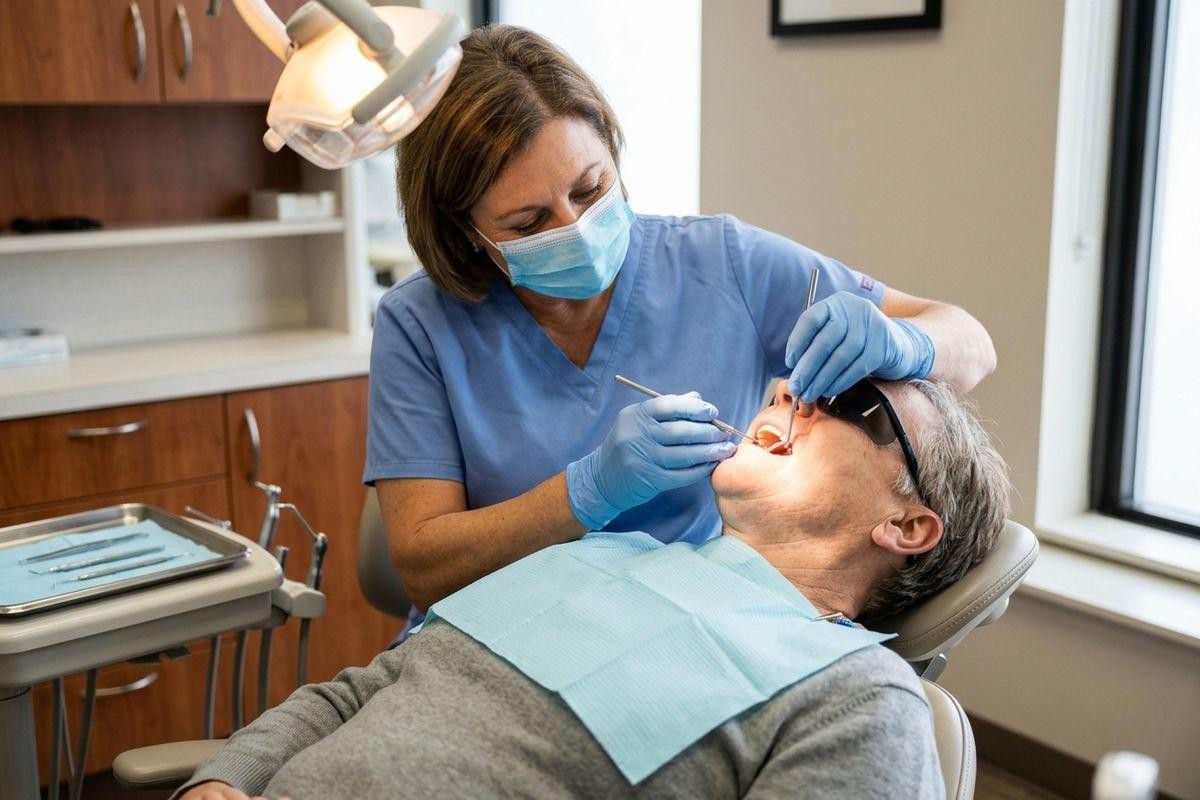
A dentist in Hamilton can check your tooth, take X-rays, and explain what is happening below the gumline. X-rays help show the root shape, bone support, and signs of infection near the tip of the root.
Care Path
- The dentist examines your tooth and takes X-rays.
- The dentist removes the infection and seals the inner tooth space.
- The dentist may place a crown to add support for chewing.
The dentist often uses a crown after a root canal on a back tooth because chewing puts steady force on those teeth. It covers the tooth like a fitted cap and can help reduce the risk of cracks.
Other Paths & Cost Factors
If the tooth cannot stay, the dentist may talk with you about removal. After removal, a bridge or implant may help fill the space. Each choice has different steps, timing, and costs.
- The dentist may suggest extraction if too much tooth structure is missing.
- A bridge uses nearby teeth for support, while an implant uses a small post in the jaw.
- Cost can change with X-rays, tooth position, crown needs, and the number of visits.
The team at Upper Gage Dental Centre treats you as a person with goals, questions, and a real life outside the dental chair. The multigenerational family of doctors has served Hamilton since 1978, and the team can guide you with calm, clear care.
If you have tooth pain, swelling, or sensitivity, contact Upper Gage Dental Centre to book a visit to see how we can help.